Project I
Narrative Feature Film
Alt.
Prestige Limited Series
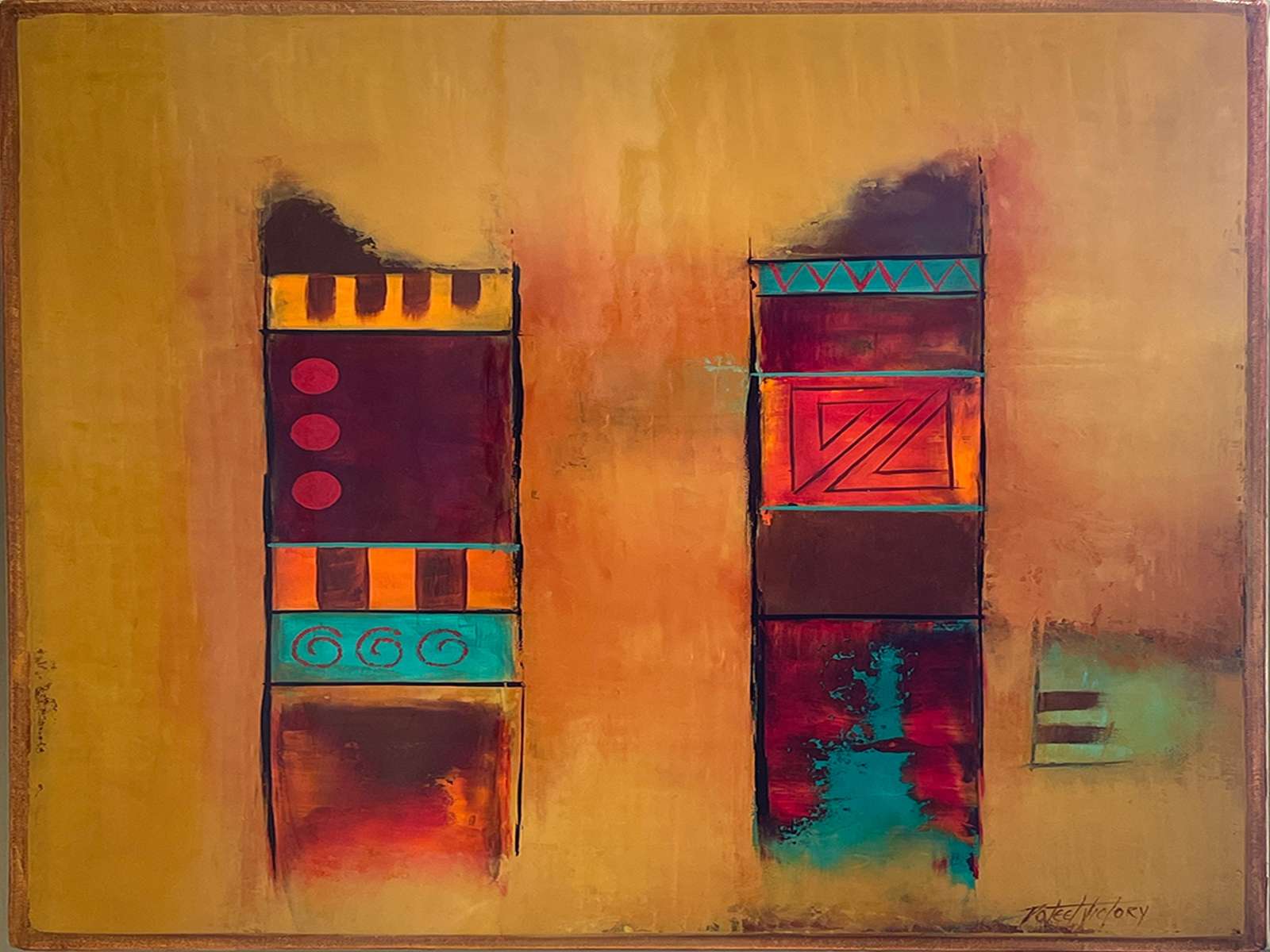
Victory
The Forrest Gump of the art world. Based on the biography by J. Robert Keating.
The film opens on a single image: a chalk skeleton of a horse. A small boy kneels beside it, watching Harold Stevenson draw. Know the insides before you draw the exterior. Poteet Victory is seventy-eight years old. He has never forgotten that lesson — or the man who gave it to him.
Born in Idabel, Oklahoma, raised by his Cherokee-Choctaw grandmother Willie Victory ninety miles from the end of the Trail of Tears. He rides bulls at thirteen. He builds a T-shirt empire in Dallas — Frito-Lay, CBS Records, Waylon Jennings, Willie Nelson — then walks away. Harold Stevenson calls ahead to Andy Warhol. Poteet boards a plane in a straw cowboy hat, studies at the Art Students League, and lives at the Dakota alongside John Lennon and Yoko Ono. Neither Poteet nor Harold thinks much of Warhol. This is their private running joke.
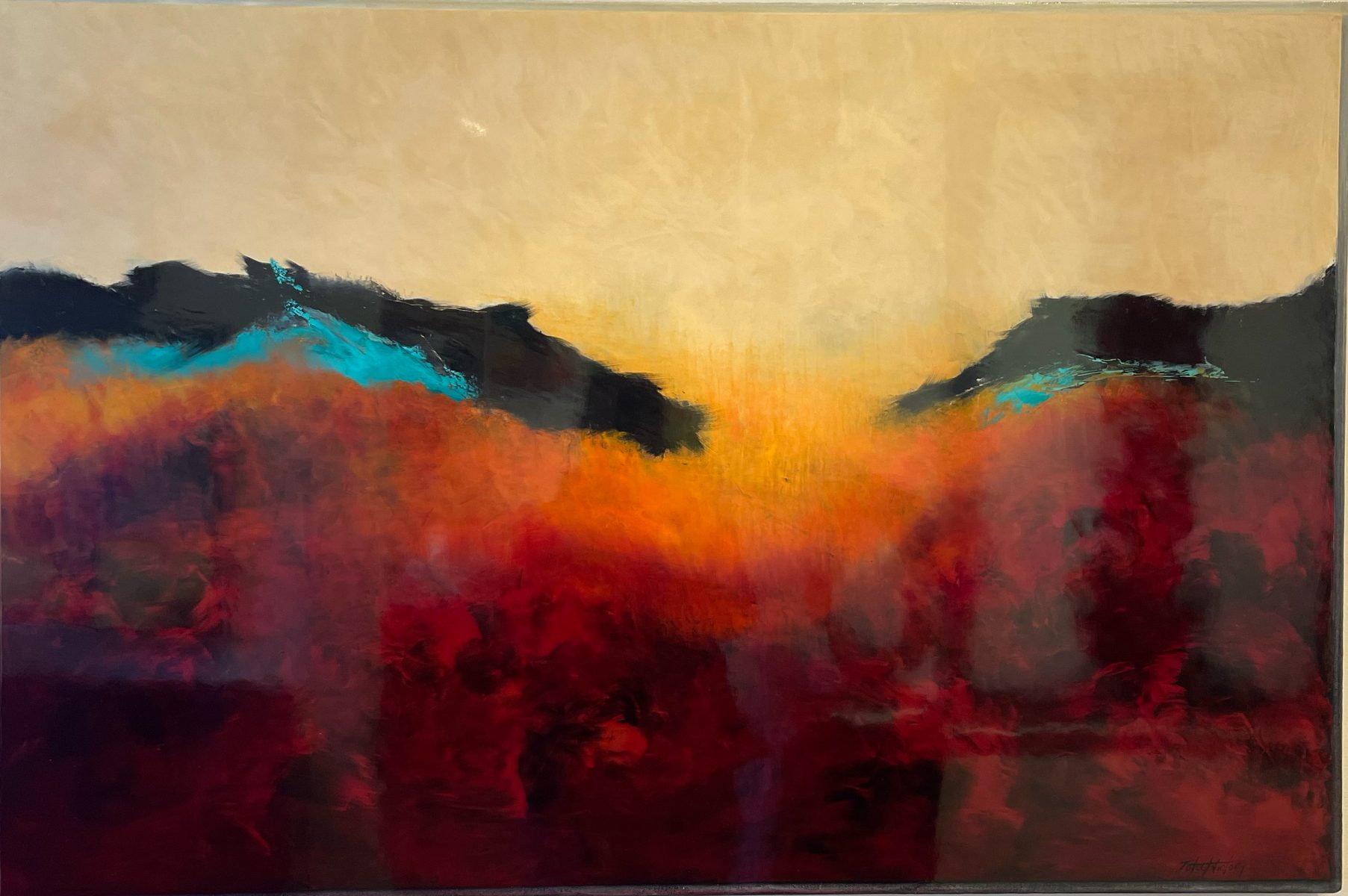
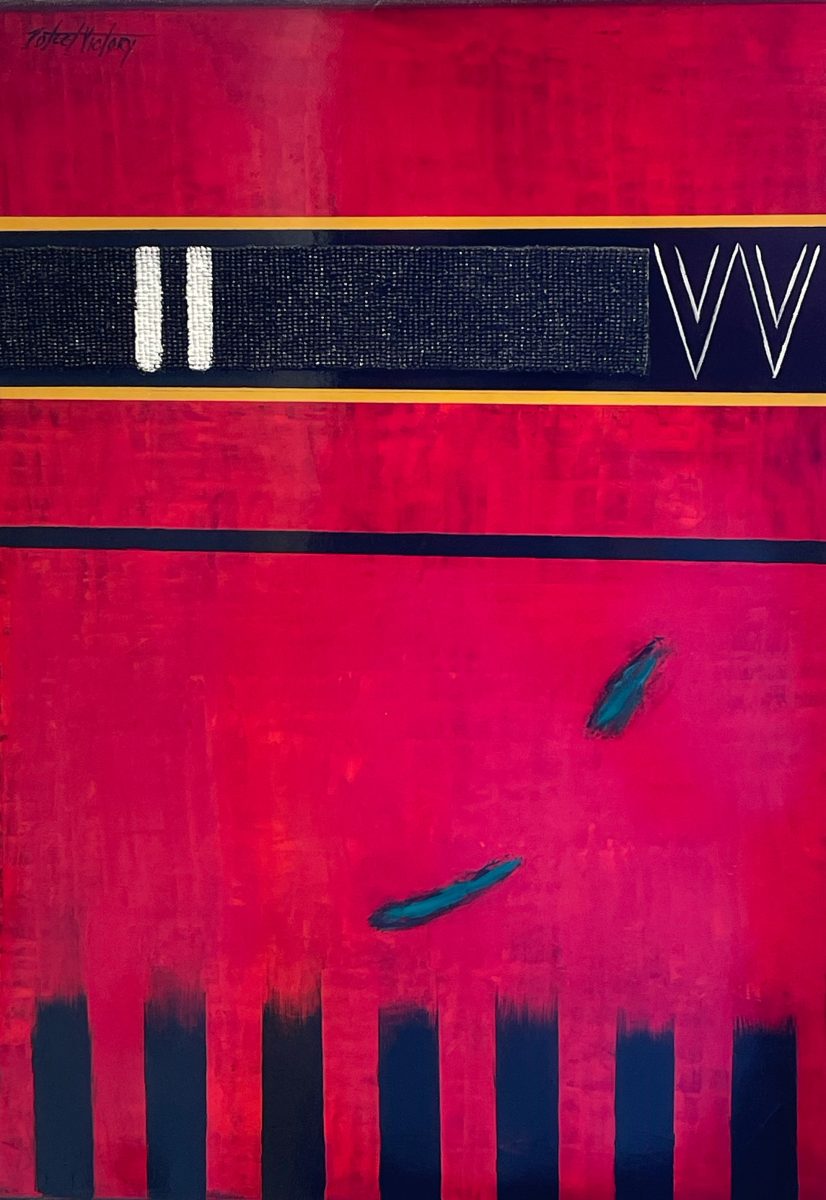
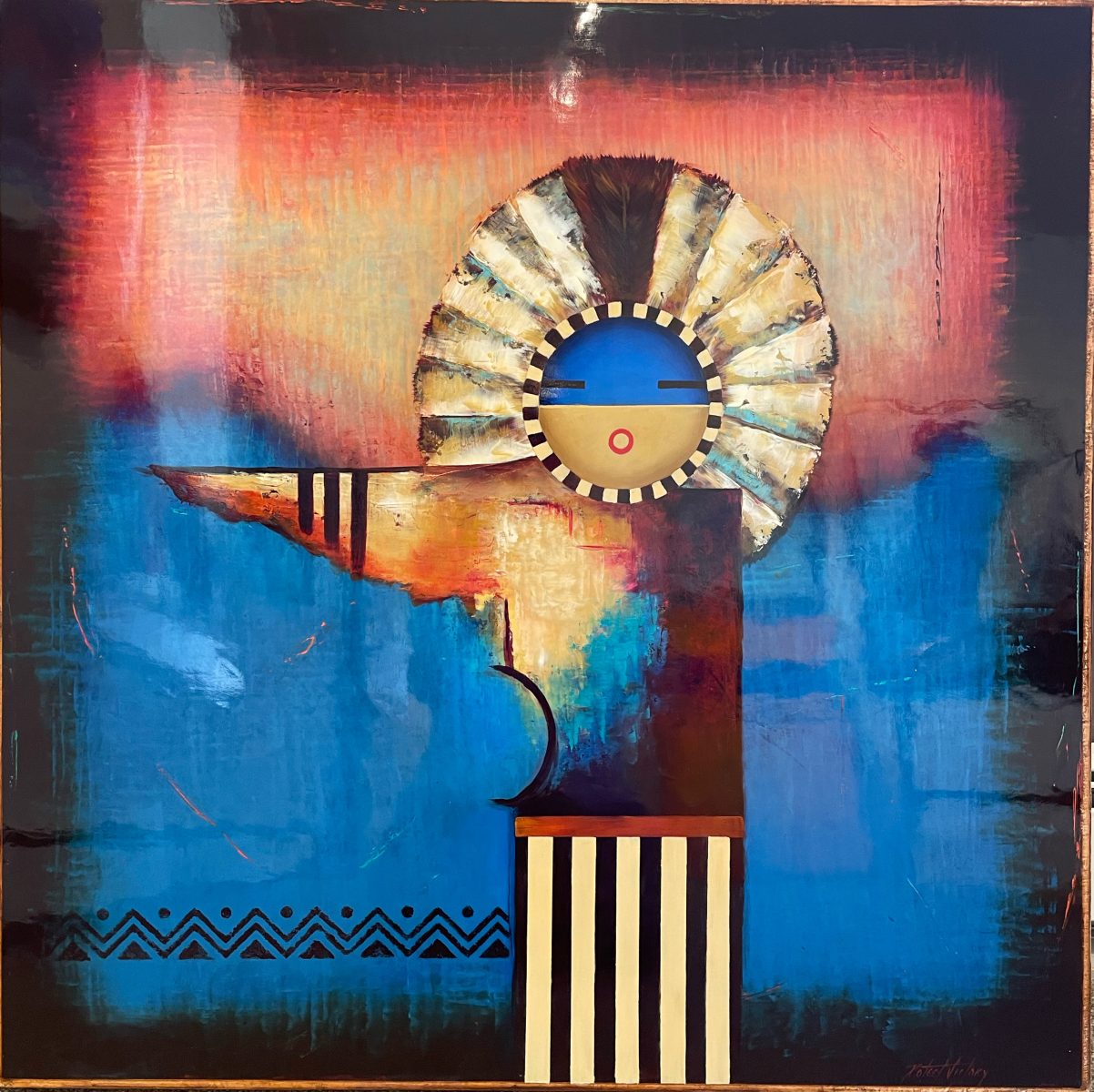
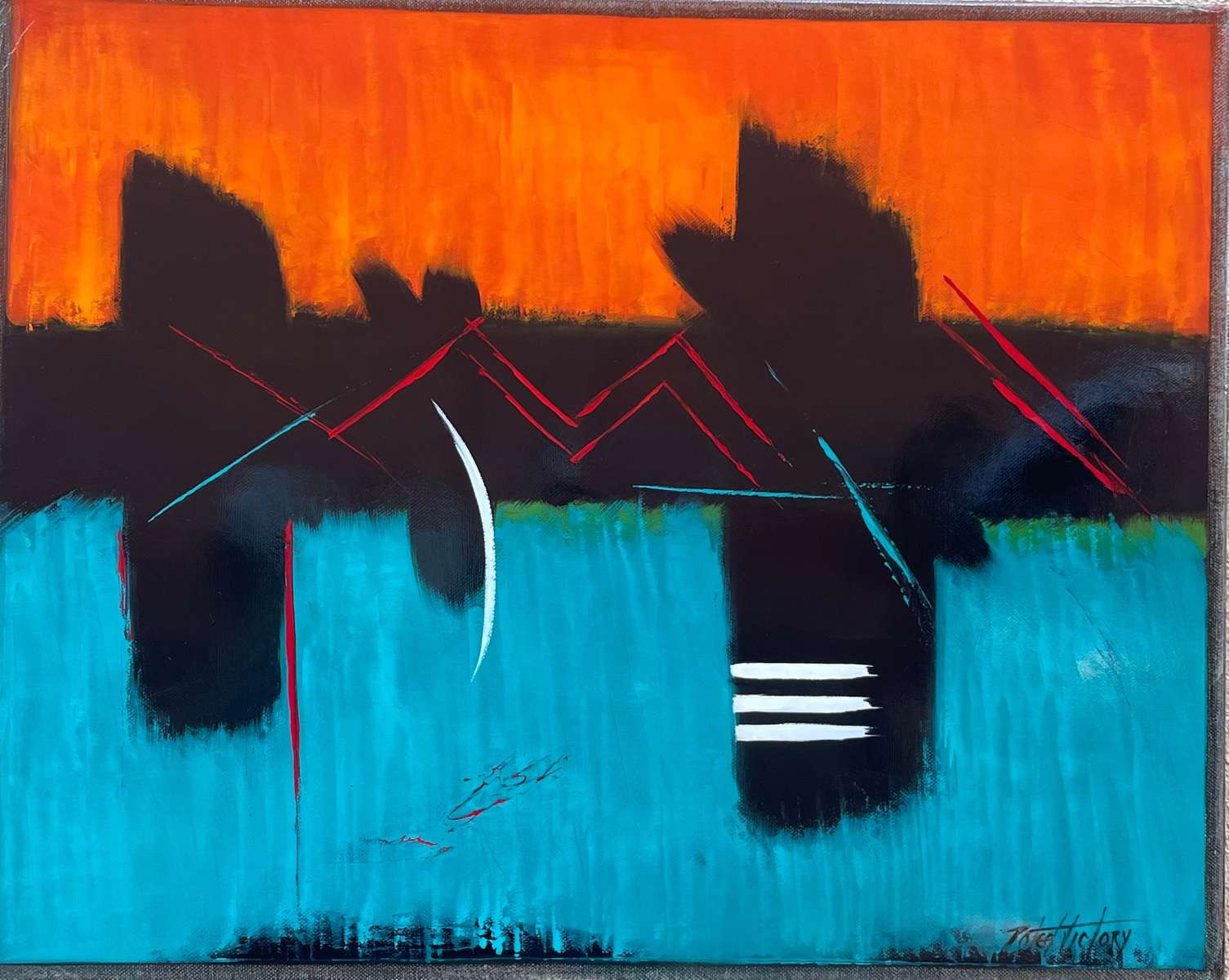
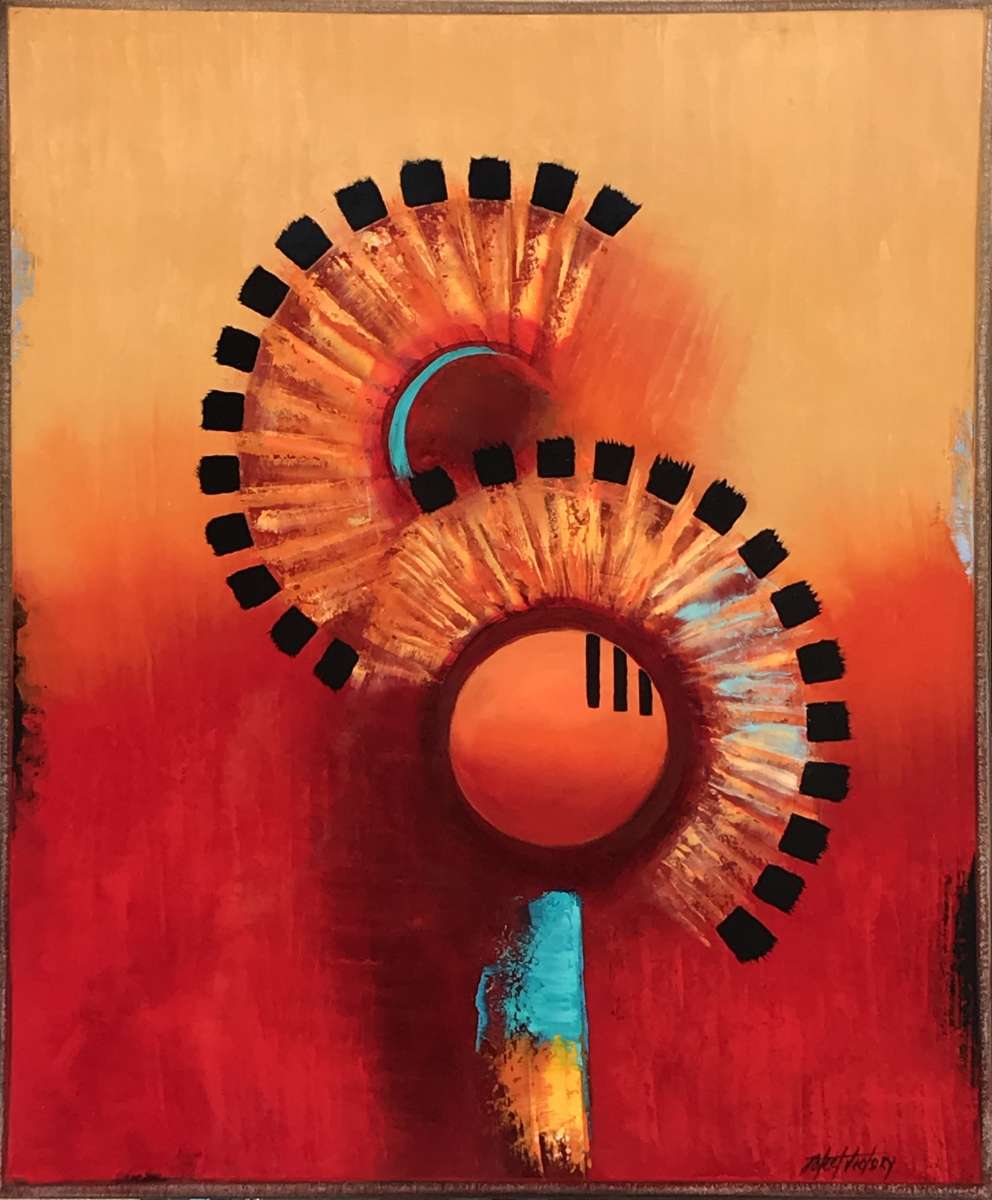
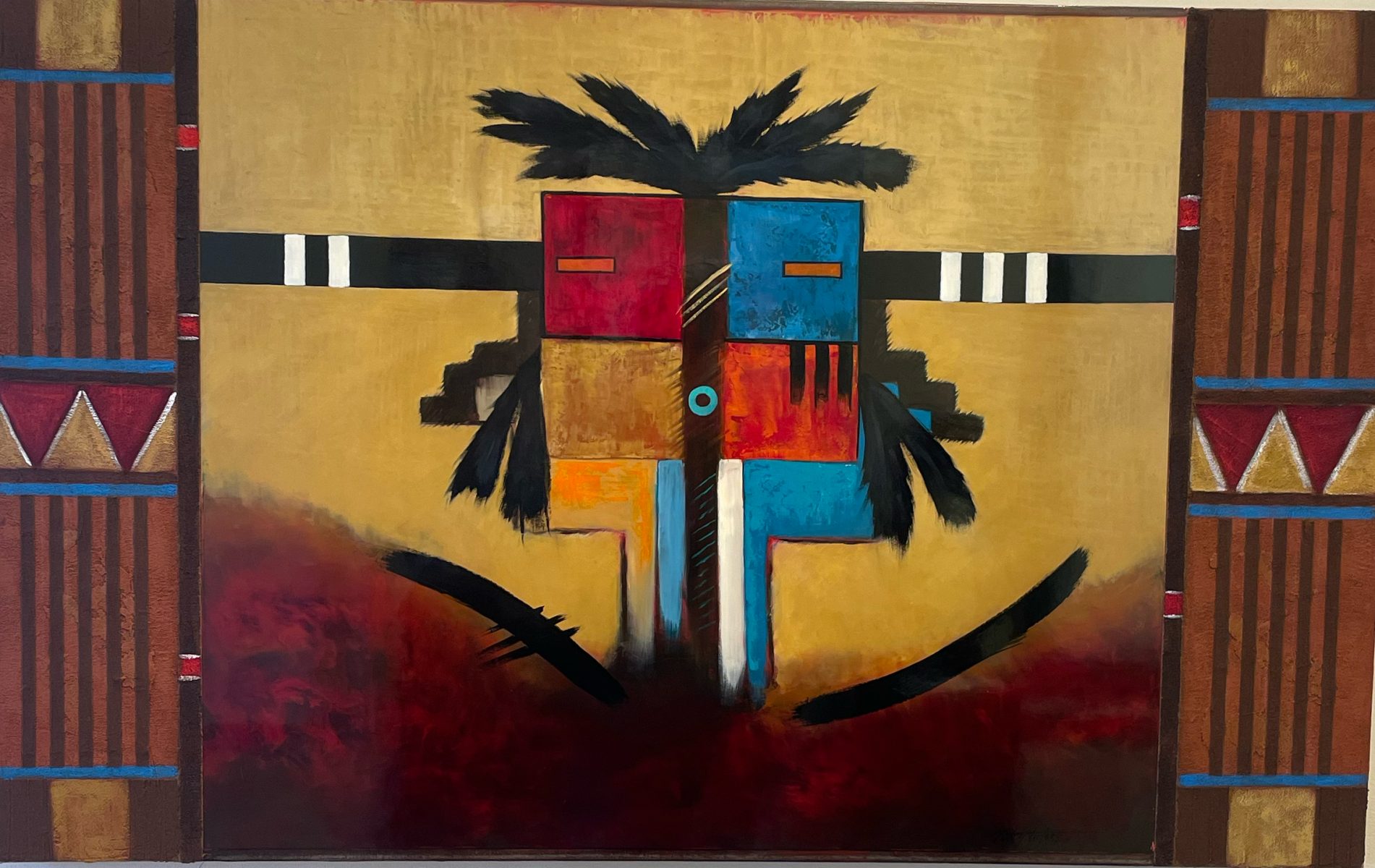
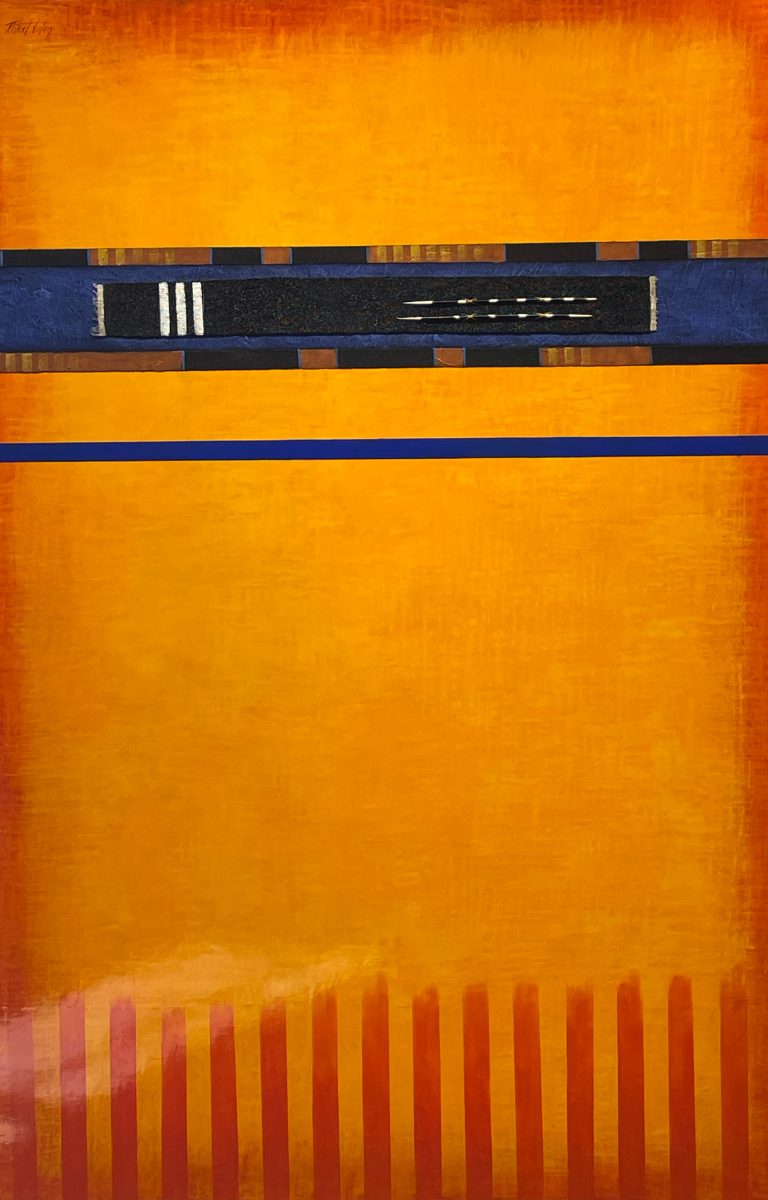
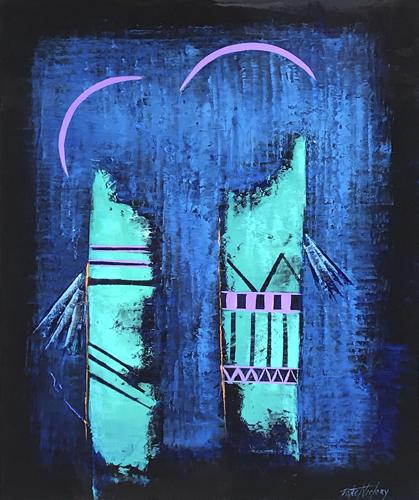
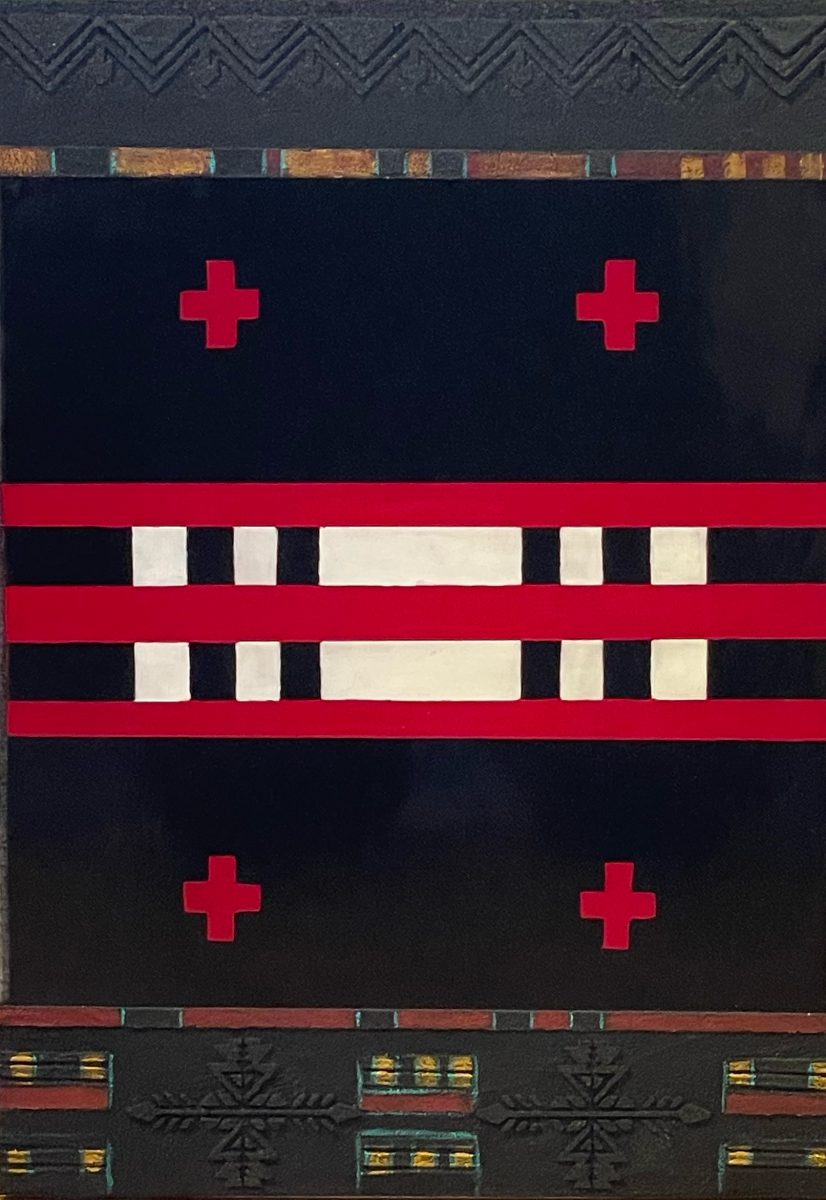
He arrives in Santa Fe in 1989 with nothing. He bartends. He hits bottom. Named Does Not Hide the Truth by medicine man Bear Heart Williams, he picks up the palette knife — abandons brushes entirely — and invents a style unlike anything in the Western canon. He is commissioned to paint a Trail of Tears mural by the University of Oklahoma. He completes two panels before 9/11 kills the funding and the center panel is deemed disrespectful. The mural still sits rolled in warehouse storage. The wound that cannot heal is the wound the film circles.
In 2008, at a Pizza Hut in Idabel, he sees Terry across the room. I am going to call on you. She is his fifth wife and his last. She arrives late in real time — but she haunts the film from its opening frame. Her presence makes the whole arc legible in retrospect.
Not bad for a kid from Idabel.
Creative Comps
Frida (2002) · Pollock (2000)
Structural Model
Forrest Gump (1994)
IP Foundation
Keating biography + Life rights
Status
Option agreement in place
Release Target
Festival / Prestige Platform
Film Comparables
Frida · 2002 · $56M Worldwide
Closest structural model. Artist biography, episodic life, non-linear memory. Prestige platform release at $12M budget.
Pollock · 2000 · Academy Award
Painter biography, addiction arc, palette knife parallel. Budget efficiency proof at the festival tier.
Killers of the Flower Moon · 2023 · $157M Worldwide
Indigenous prestige is not a niche. The market exists, the audience is hungry, and the definitive Indigenous visual artist portrait has not yet been made.
Reservation Dogs · FX on Hulu
Authentic Indigenous voice earning critical and audience acclaim. Proof that the creative conversation has permanently shifted.